

But with such a huge territory — stretching across the tropics and subtropics — many first-time visitors ask the same question: When is the best time to visit Brazil?
The answer depends on what you want from your trip. Brazil’s climate varies by region, and each season brings something unique. Summer means Carnival, hot weather, and beach parties. Winter is perfect for exploring nature and spotting wildlife. Spring and autumn offer mild weather, fewer crowds, and great prices. On top of that, Brazil’s calendar is full of festivals and cultural events that can turn your trip into a once-in-a-lifetime experience.
In this guide, we’ll break down the best times to travel to Brazil based on climate, activities, festivals, and budget — so you can plan your journey with confidence and make the most of your Brazilian adventure.
🌍 Brazil’s Climate Overview
Brazil is huge — almost the size of the United States — so weather conditions vary by region. In general:
-
Summer (December – March): Hot and humid, perfect for beaches and parties.
-
Autumn (April – June): Mild temperatures, fewer crowds, and cheaper prices.
-
Winter (July – September): Cooler in the south, still warm in the north and northeast.
-
Spring (October – November): Pleasant weather, great for outdoor adventures and sightseeing.
🏖️ Best Time for Beaches
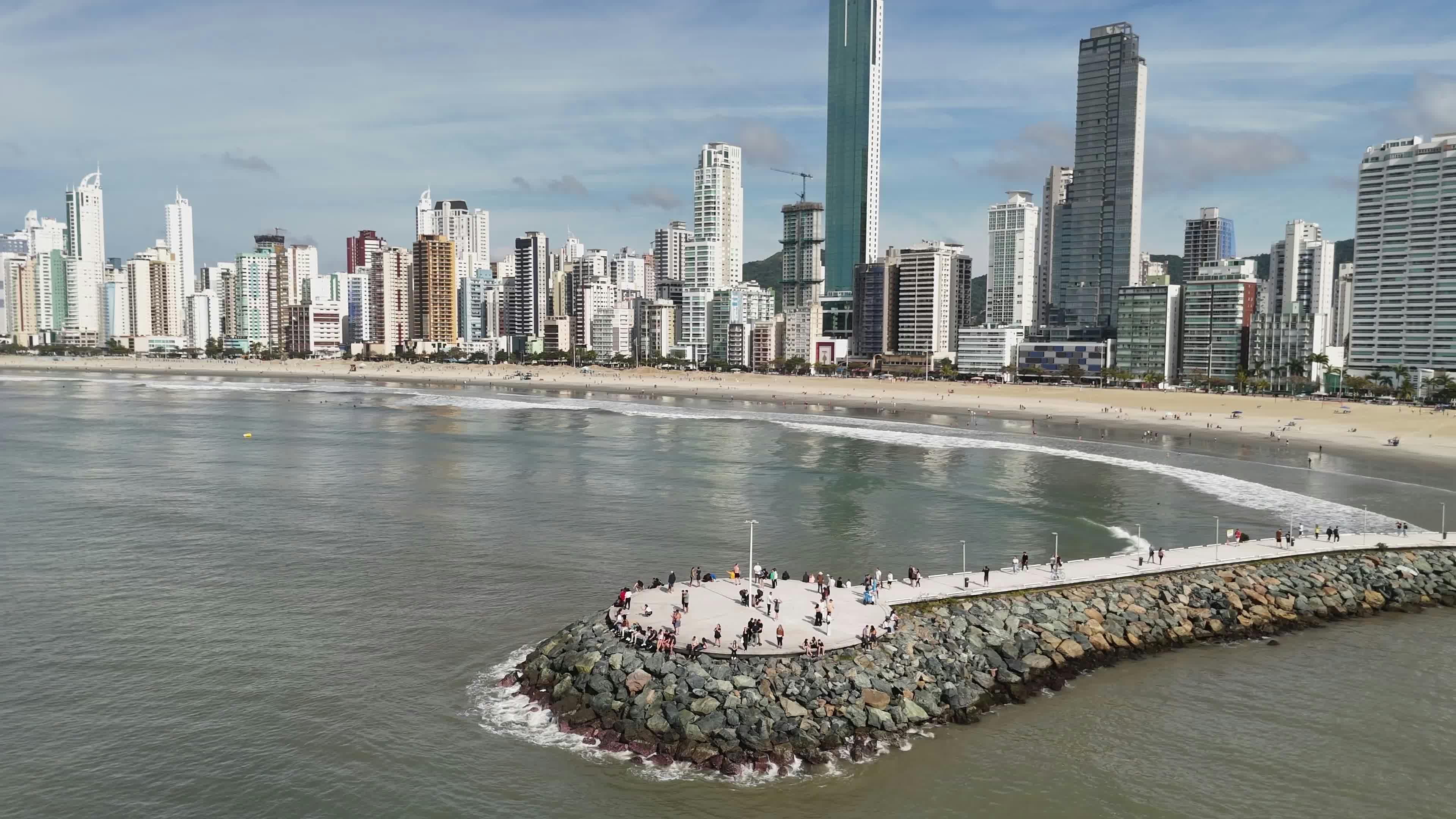
If you’re dreaming of sipping a caipirinha in Rio de Janeiro or relaxing in Jericoacoara, the Brazilian summer (December to March) is ideal. Expect lively beach vibes, hot weather, and lots of sunshine.
-
Top destinations: Rio de Janeiro, Florianópolis, Fernando de Noronha, Bahia.
-
Tip: January and February are very popular, so book accommodations early.
🌱 Best Time for the Amazon Rainforest
The Amazon has two main seasons:
-
Wet season (December – May): Rivers rise, creating magical flooded forests. Great for boat tours and spotting wildlife.
-
Dry season (June – November): Easier to hike trails, more mosquitoes, but excellent for eco-tourism.
👉 Both seasons are beautiful — it depends on whether you prefer boat explorations or jungle treks.
🐊 Best Time for the Pantanal
The Pantanal is the best place in South America to spot wildlife, including jaguars, caimans, and capybaras.
-
Dry season (May – September): Best for wildlife watching, as animals gather around shrinking water sources.
-
Wet season (October – April): Lush landscapes but harder to move around due to flooding.
🎉 Best Time for Festivals
Brazil is famous for its parties, and timing your trip with a festival can be unforgettable:
-
Carnival: Usually in February or early March — the most famous festival in the world, with parades, samba, and street parties.
-
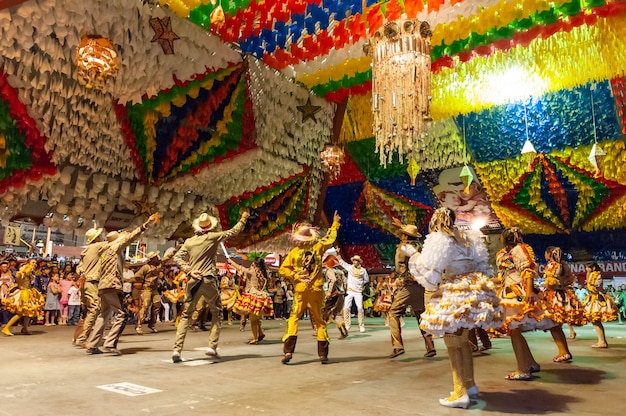
Festa Junina: In June's Party, especially in the northeast — traditional music, food, and bonfires.
-
New Year’s Eve: December 31 in Rio’s Copacabana — millions dressed in white, fireworks over the ocean.
💰 Traveling on a Budget
-
Low season: April to June and August to November. Flights and hotels are cheaper, attractions are less crowded, and the weather is still good in most regions.
-
High season: December to February (summer + Carnival). Prices can skyrocket, and popular destinations get crowded.
✅ Conclusion: The Best Time to Visit Brazil
There is no single “perfect” time to visit Brazil — it all depends on what kind of traveler you are.
-
If you dream of sun-soaked beaches and vibrant nightlife, come between December and March.
-
If your goal is wildlife watching in the Amazon or Pantanal, plan for the dry season from May to September.
-
If you’re excited about Brazilian culture and traditions, align your trip with Carnival in February, Festa Junina in June, or the New Year’s Eve celebration in Rio.
-
And if you’re a budget-conscious traveler, the shoulder seasons (April–June and August–November) offer great deals without sacrificing good weather.
✨ The truth is, Brazil is a year-round destination. Whether it’s golden beaches, lush rainforests, or unforgettable festivals, each season offers a new way to fall in love with this incredible country.

